learn
How this work is made
Tutorials on fractal rendering, writing about the practice, and answers to the questions I'm asked most. Everything here is free.
01 - tutorials
Creating fractals in Mandelbulb3d
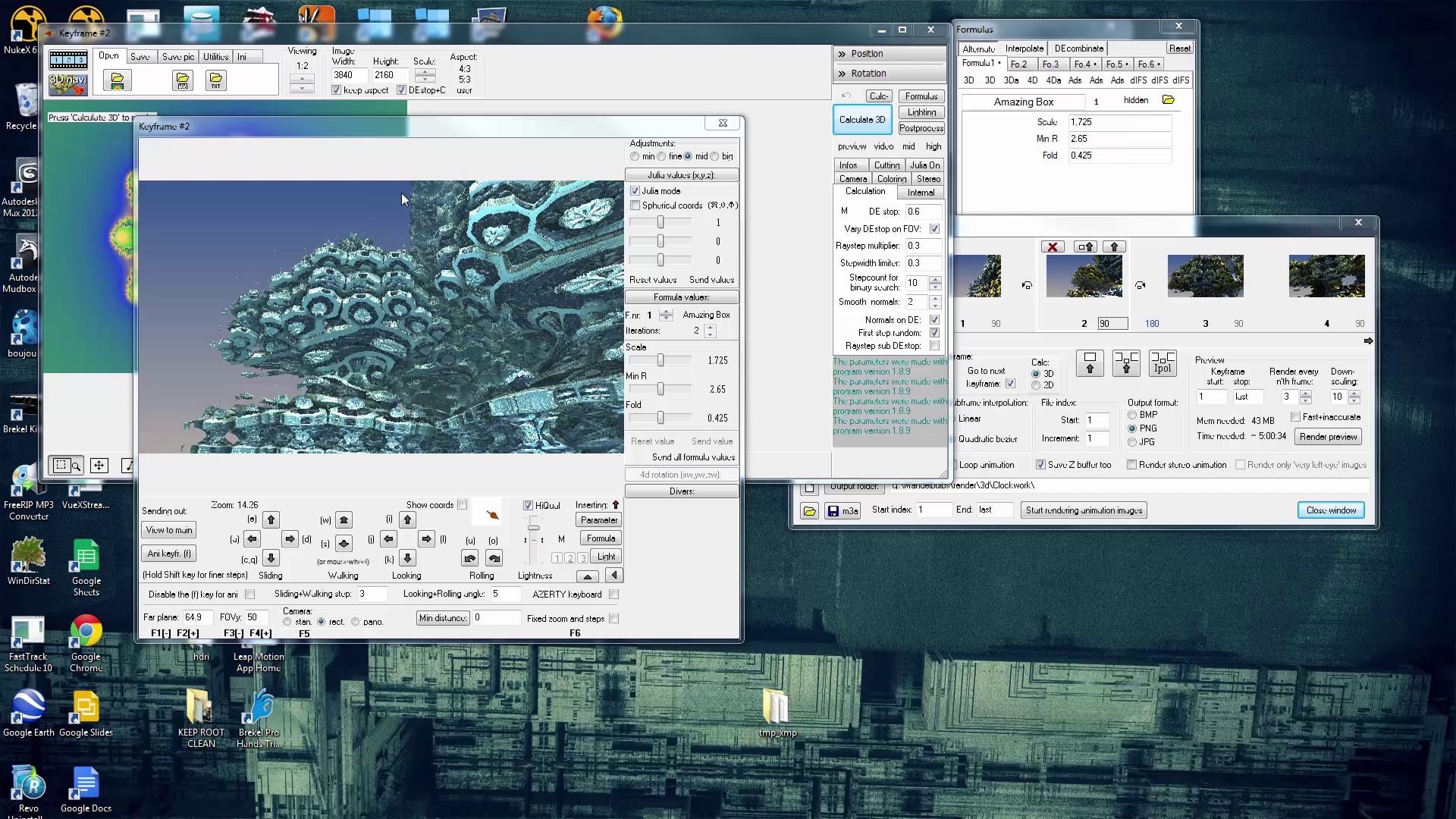
Screen recordings covering formulas, architecture, lighting and looping, but also me talking about the creative process.
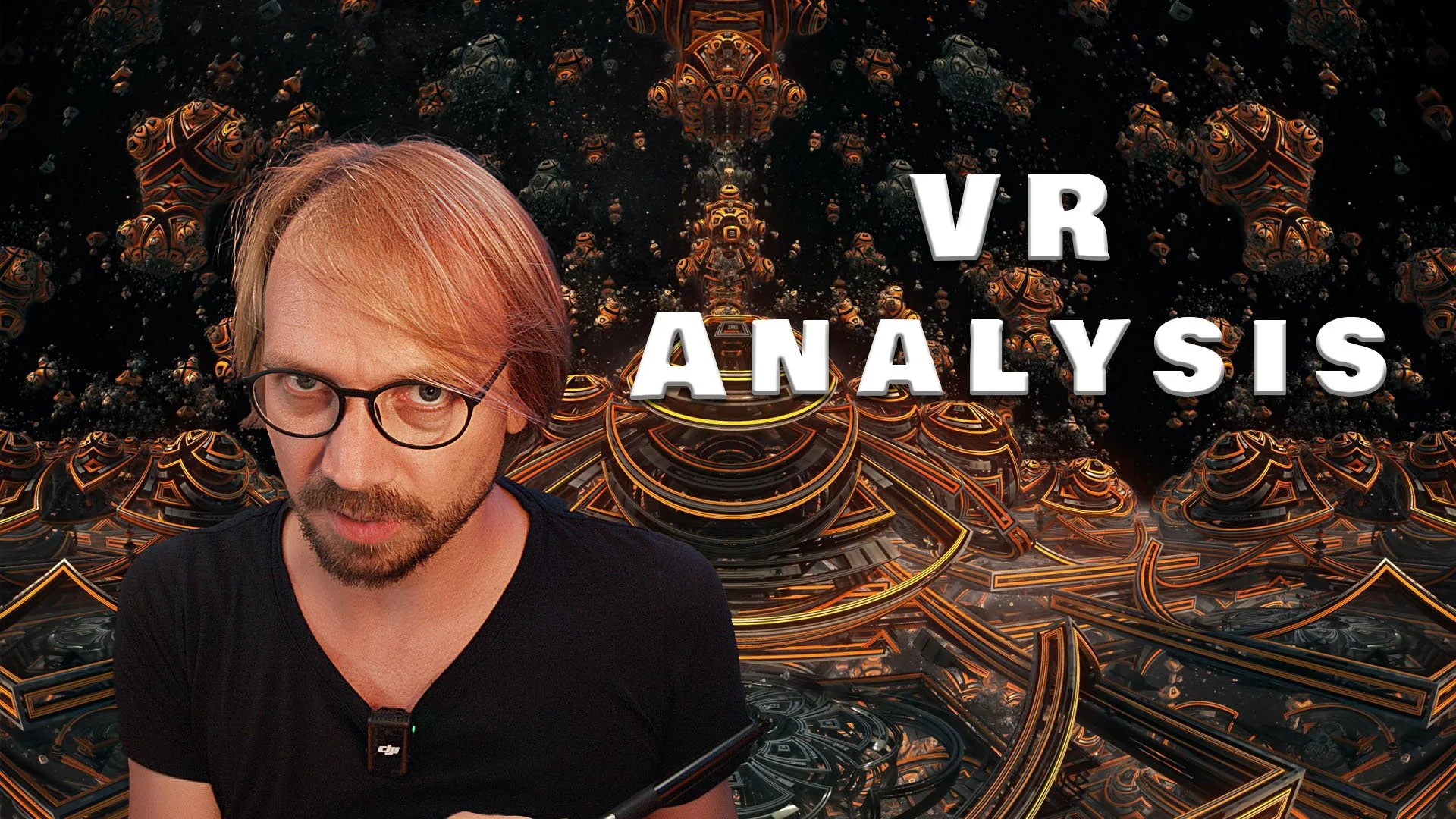
A breakdown of the creative process of creating Remote Motif, the VR piece.
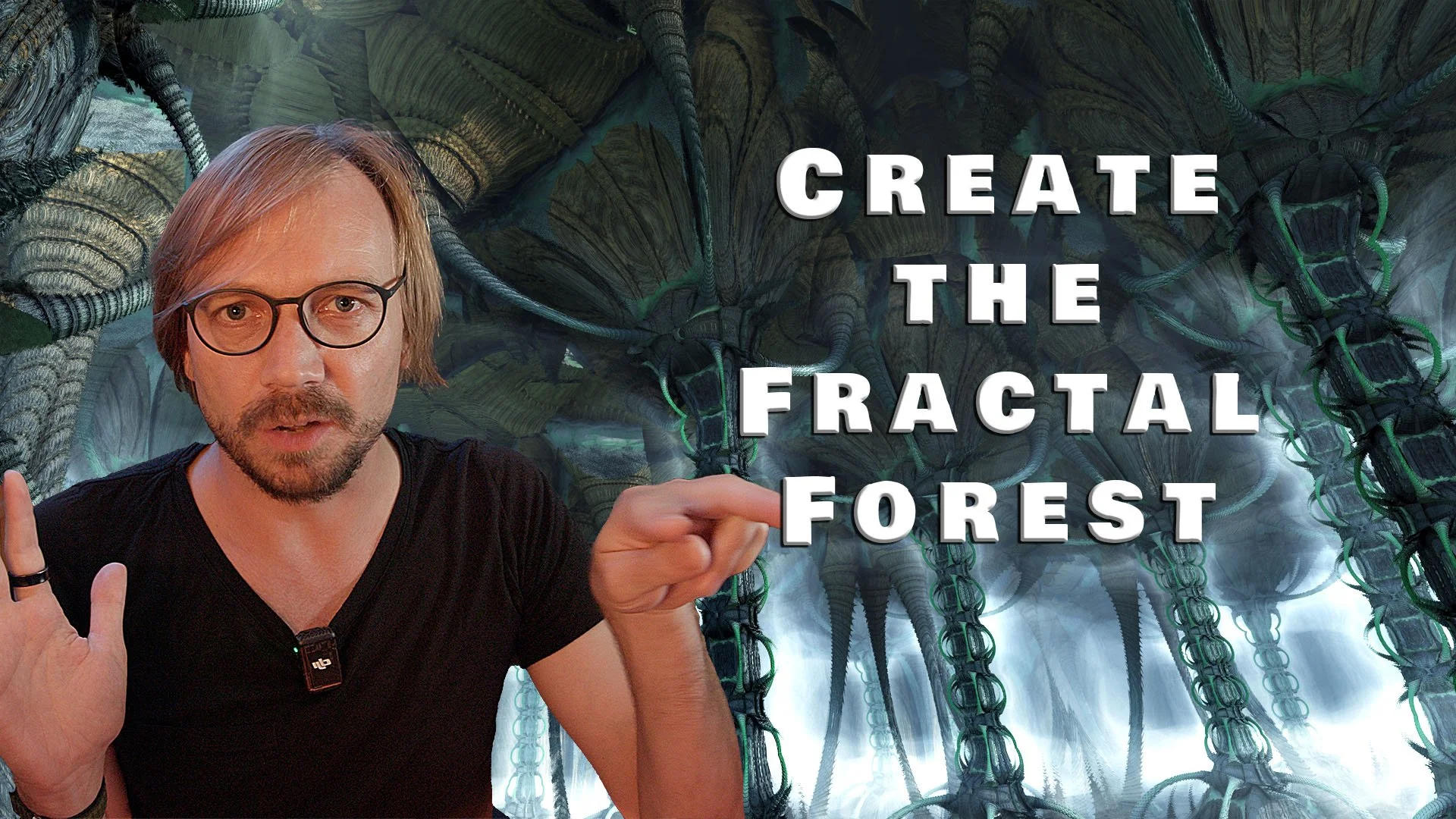
Walking you through the process of finding, creating and rendering a fractal forest.
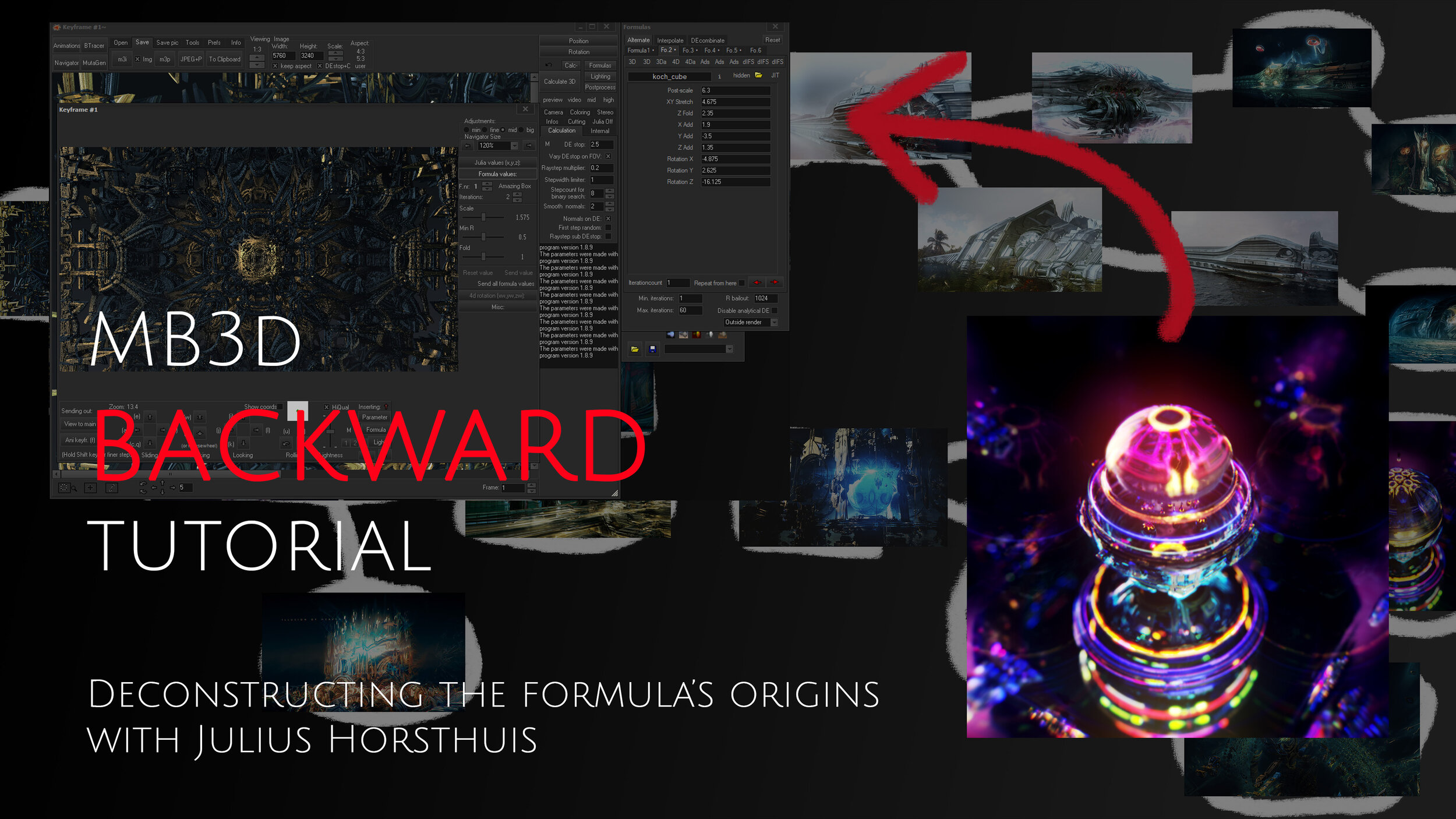
Explaining the various variations of fractals that you can explore, and trying to back-trace a fractal to its origins.
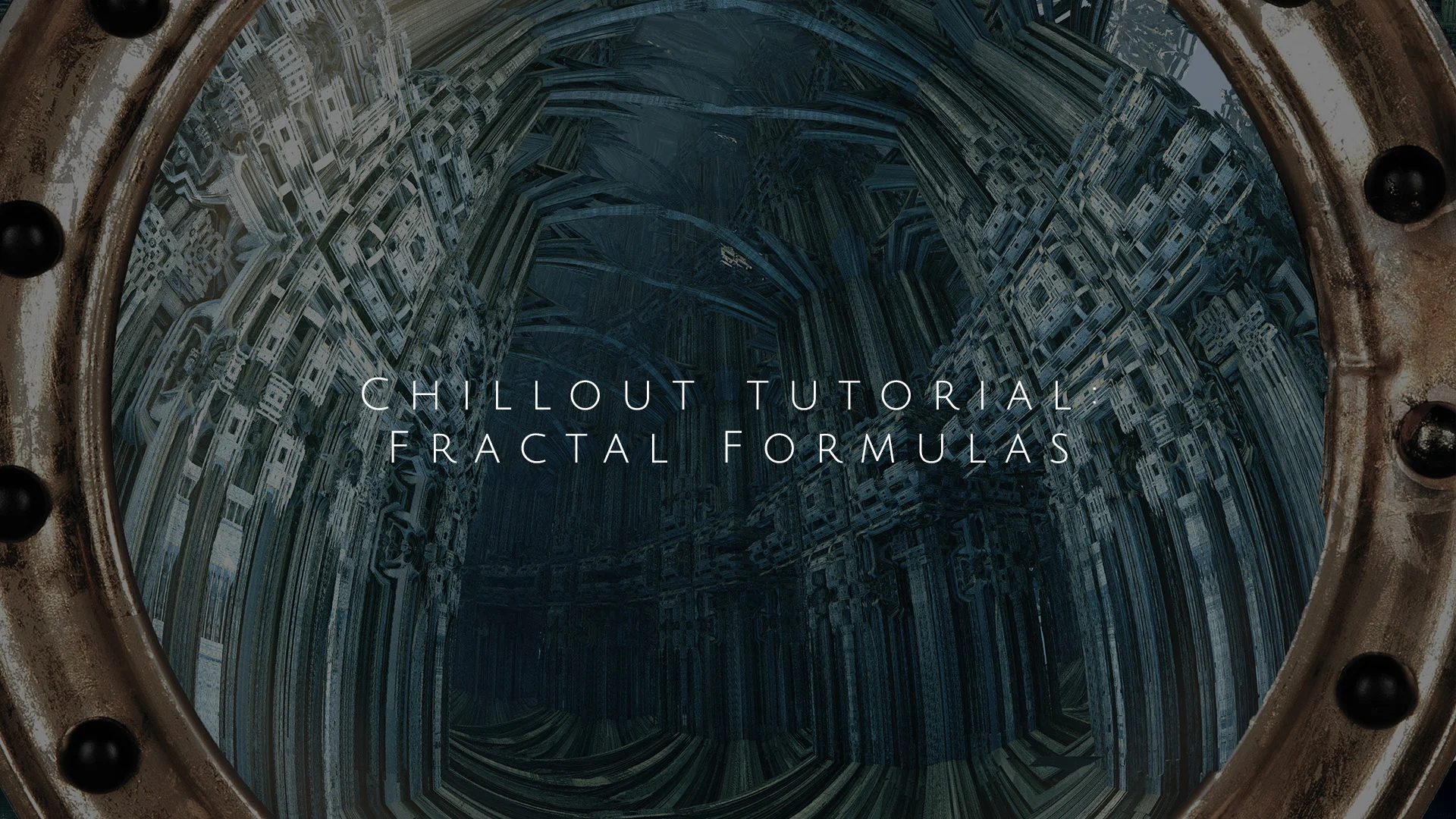
The second chillout tutorial. You’ll learn a little bit about fractal formulas but it’s more entertainment than education.
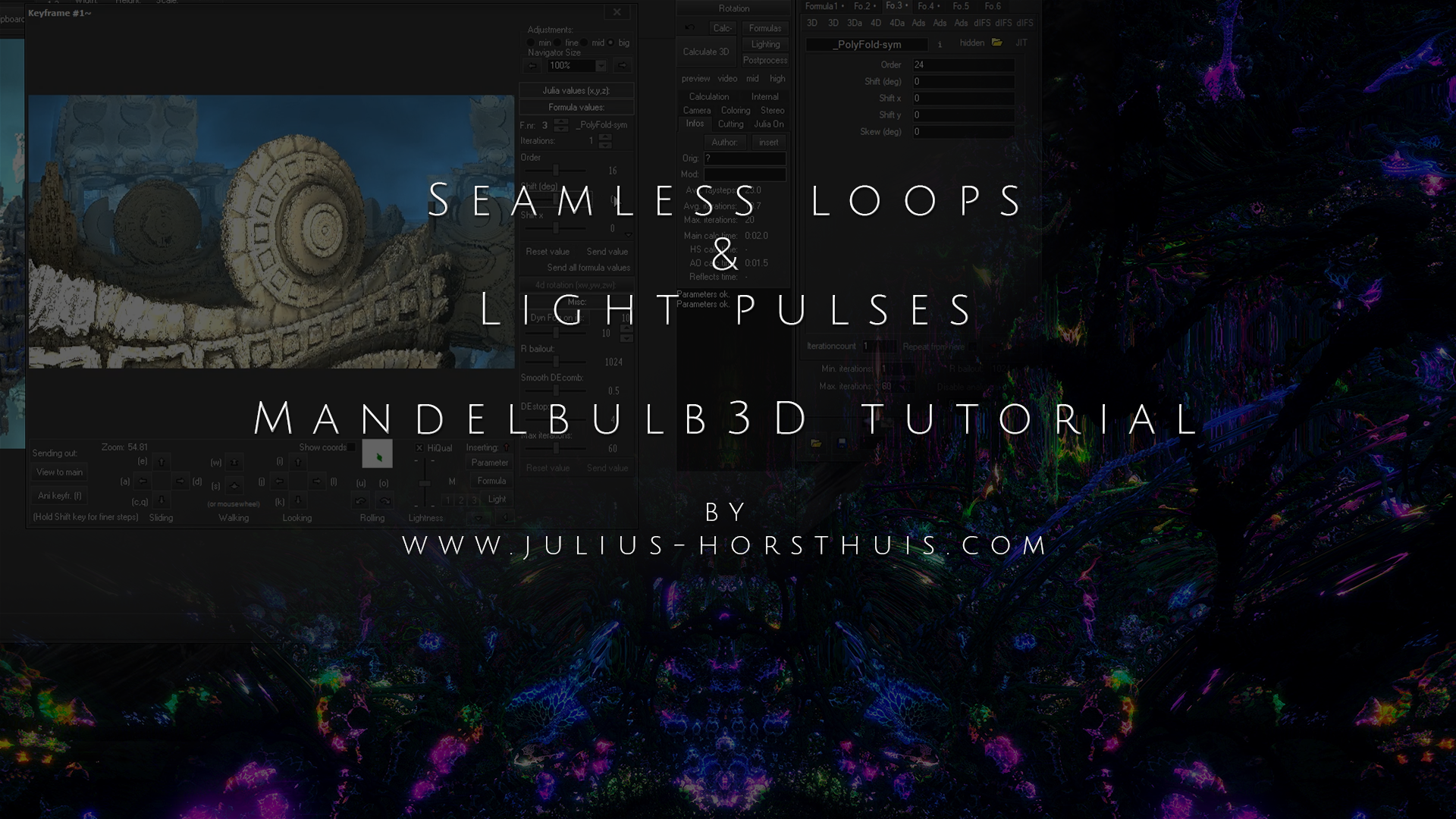
Here I explain how to create a specific effect: the light pattern flashing or glowing I’ve used quite often.
The first chillout tutorial. Sit back, relax, and learn about the wonders of fractal formulas.
This is a how-to-create this underwater fractal scene from start to finish.
My very first fractal tutorial, focusing on how to get the ‘cinematic’ look when rendering 3d fractals.
02 - writing
Essays on the practice
Notes written over the years about what fractal art is, how it's found rather than designed, and where it sits alongside photography, cinema and generative work.
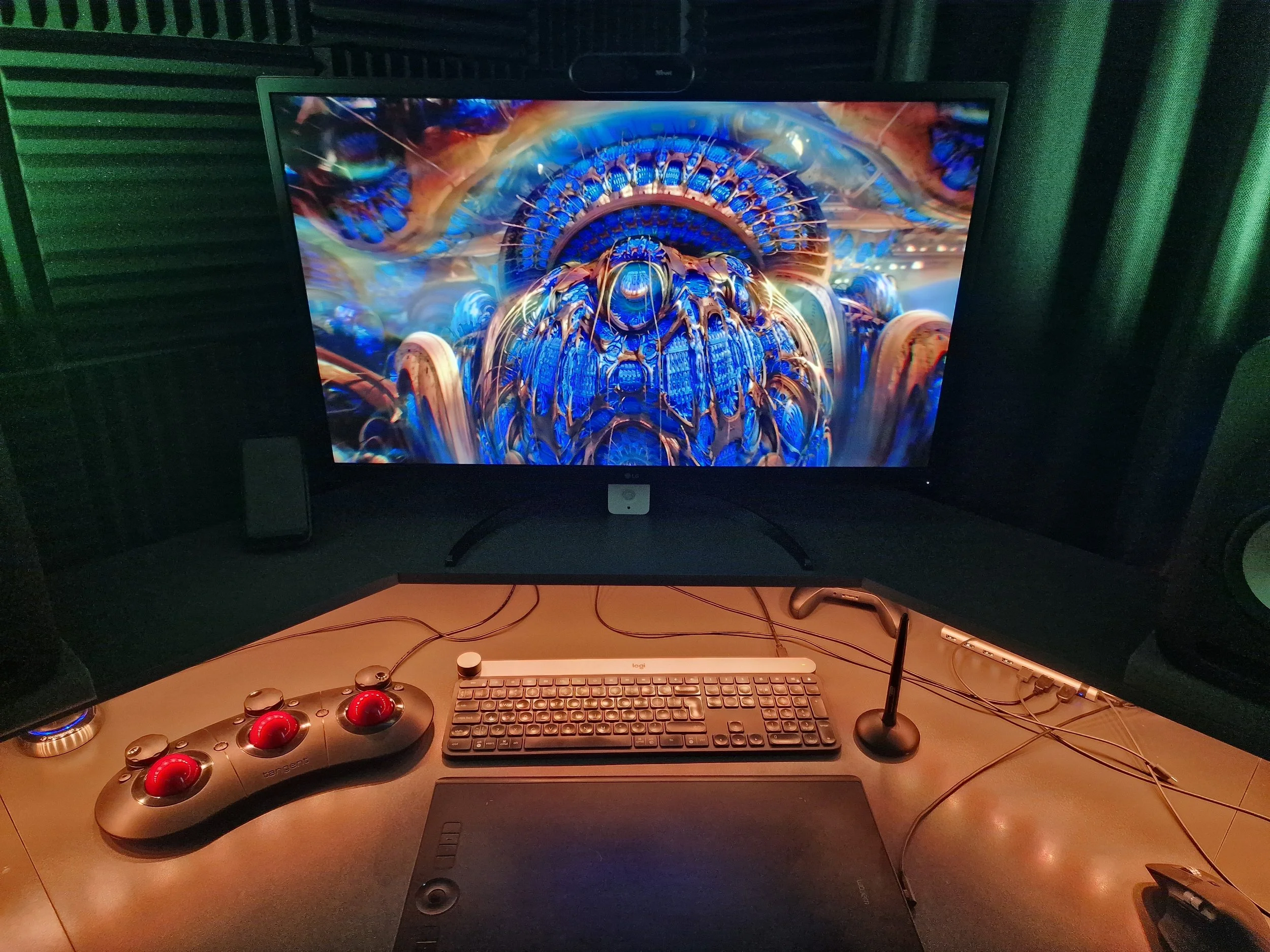
Today, December 30th 2023, a decade has passed since I published my first Fractal film on the internet. And what a decade it has been!
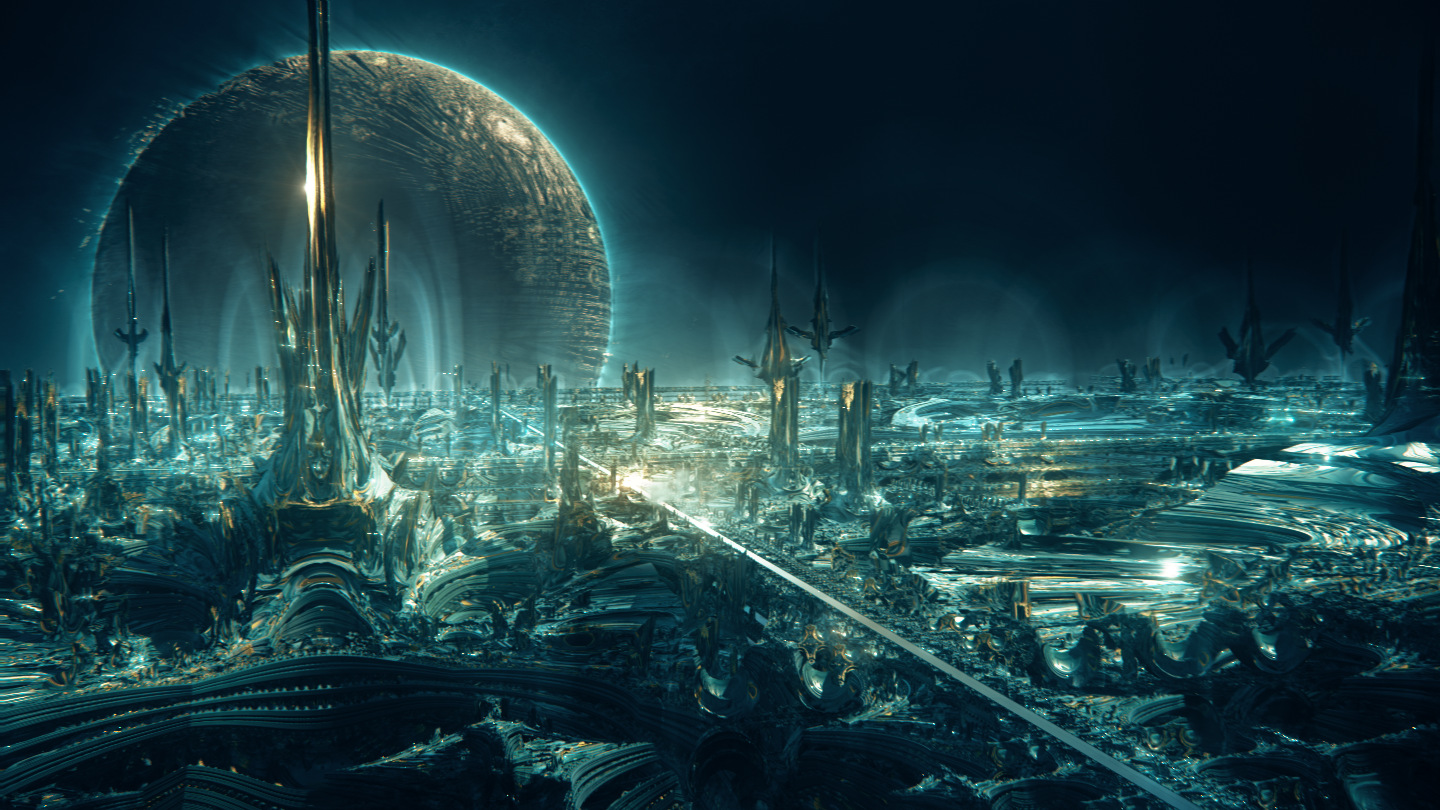
The effect is best described as some mysterious sphere or orb of dark matter or negative energy that moves through the fractal space. When I was rendering some shots for this film, it became clear to me that the orb itself was a mirrored and warped version of the world around it, which I thought was very cool. After doing some research, I found that this effect is called Sphere Inversion, or Inversion in a Sphere, and is a subset of Inversive Geometry.
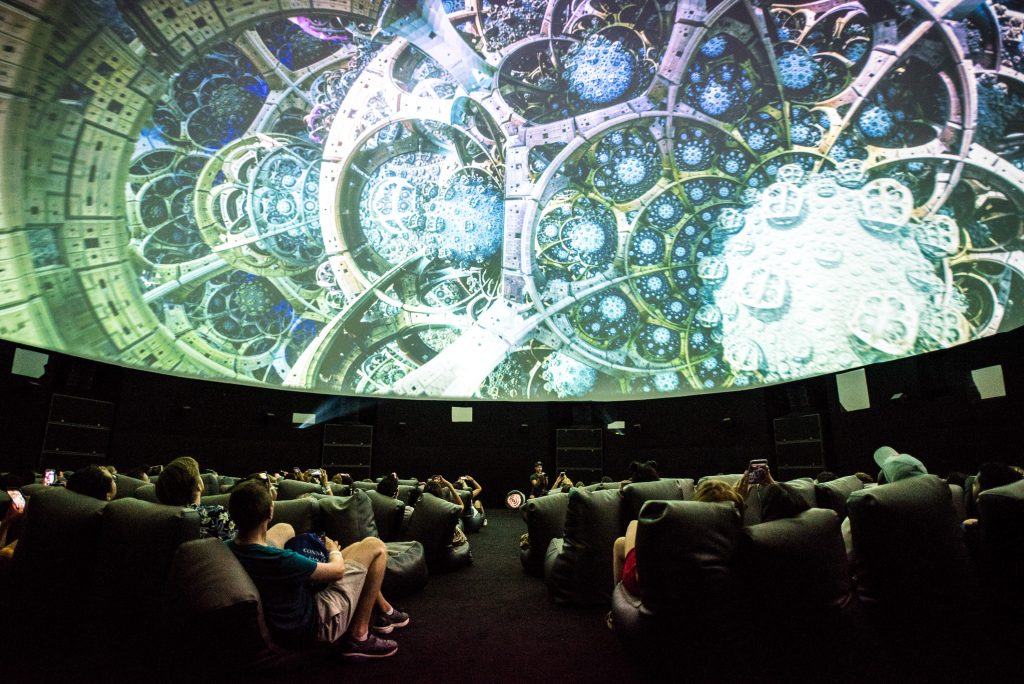
For me, dome theaters are magical temples – movie theaters dedicated to astronomy, science and art. What more could you ask for?
Up until today I have always called myself VFX designer and Fractal Artist. After tomorrow, I will drop the first part of that title.
This is the comparison I make when I talk about fractal art. It’s an art, no question about it, but the comparison should be with the photographer, not the painter. Just like the photographer for National Geographic, we are explorers. We explore vast mathematical landscapes that aren’t of our own making, but we may be called pioneers, visiting places that no human has yet gazed upon. This is exactly what the most fulfilling part of the creative process feels like. Exploring, in ultimate wonder, wondering what’s behind that ledge, or what happens when we change the Minimum Radius, or go into Julia mode.
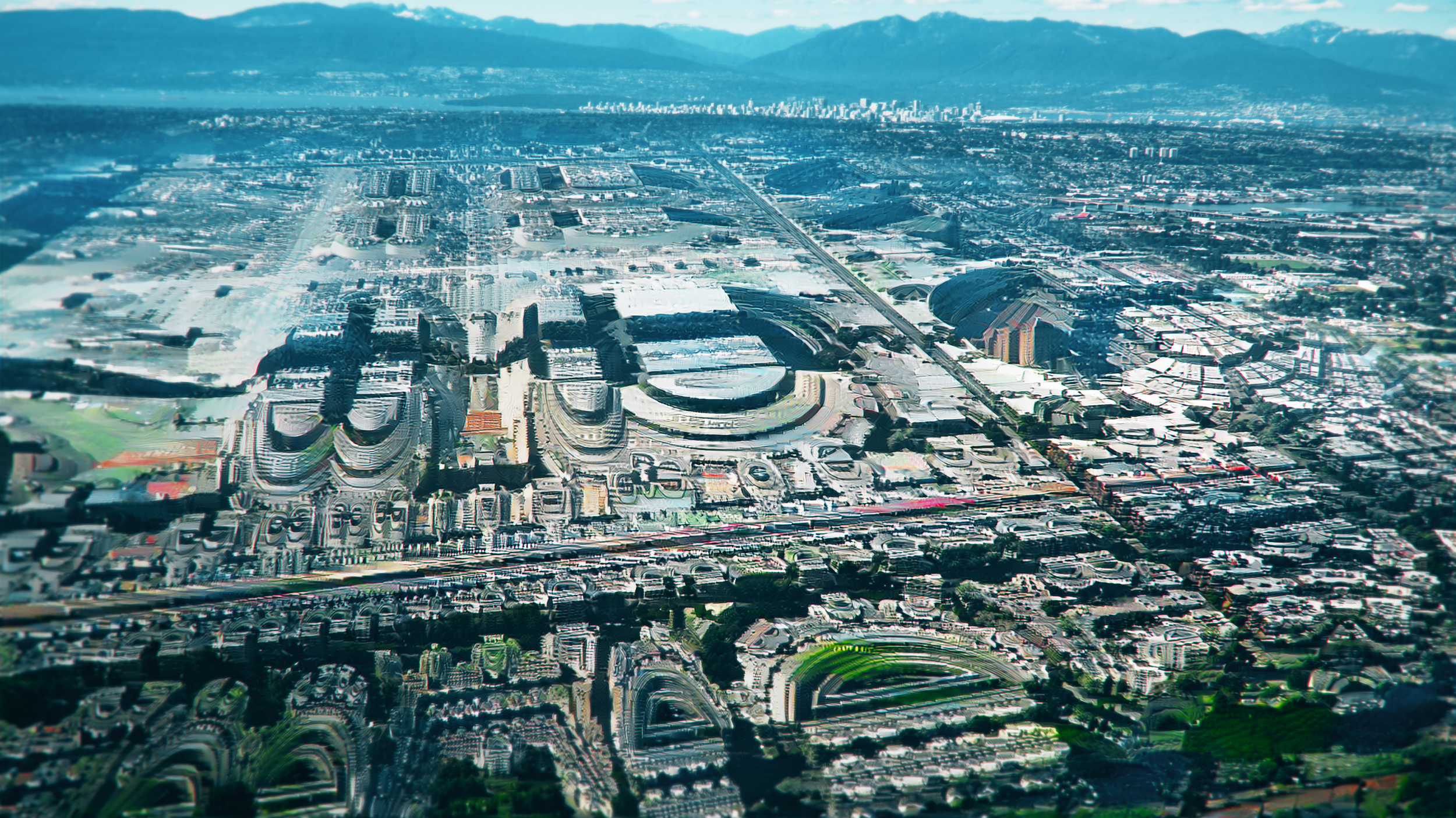
The rapid advent of neural networks in the field of computer graphics have opened some interesting possibilities. Most examples of Deep Neural Style transfer I have seen focus on applying painterly styles to pictures or videos. I’ve seen plenty interesting results, but I cannot stomach to see yet another ‘Starry Night’ styled picture. Therefor I wanted to focus on a few other uses beyond the glorified Instagram filters.
03 - common questions
The things I’m asked most
-
Mandelbulb3D, almost exclusively.
After I render my scenes with that, I use After Effects to composite with color, light and post processes. -
None of my work is AI generated. AI uses machine learning and complex models. In contrast, fractals use extremely simple models: they are pure, elegant math.
-
If you’re looking for live visuals you can checkout my VJ packs. If you want to use anything else or for different purposes, just shoot me an email.
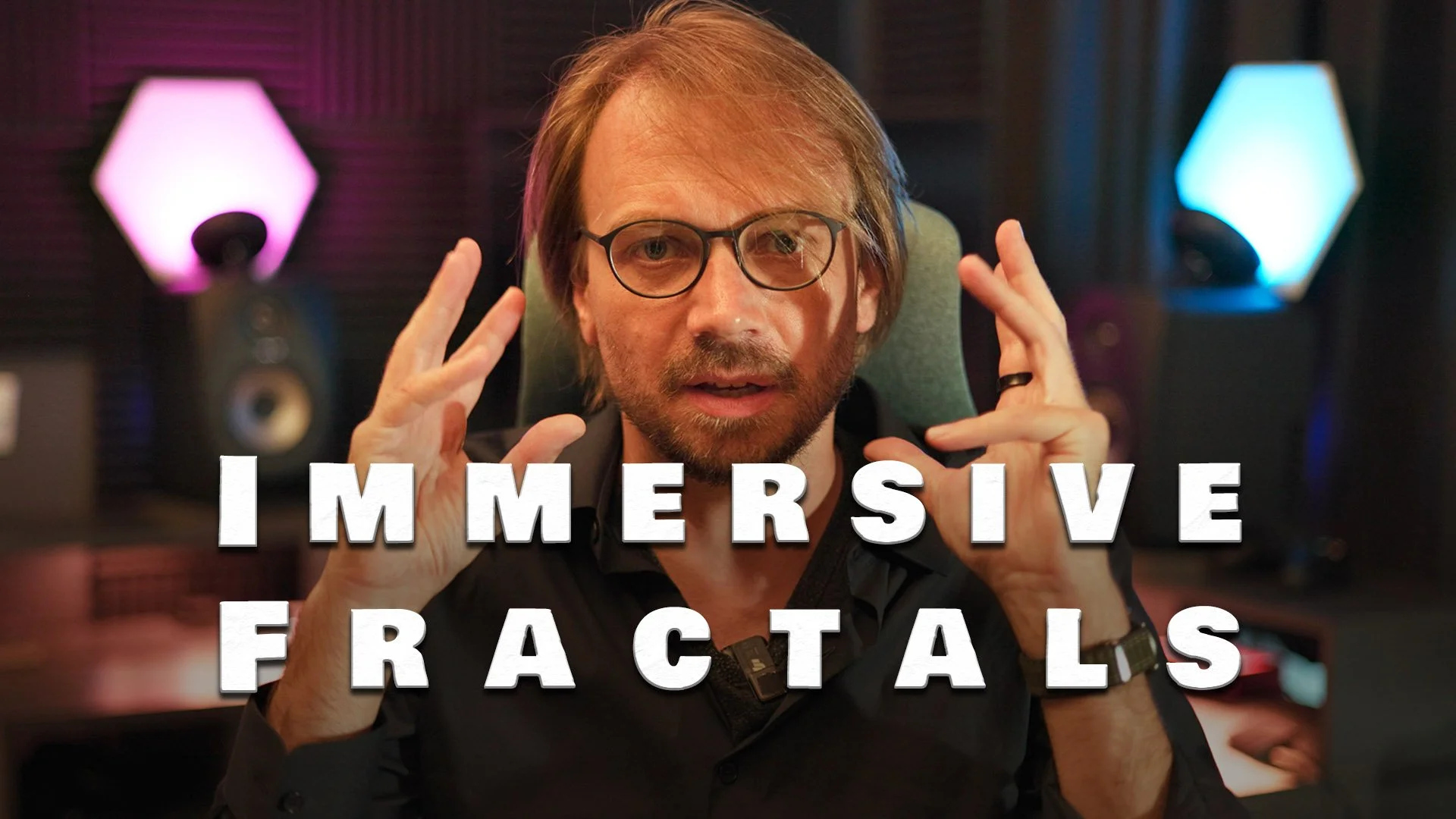
Here I’m showing the results of a few immersive installations, and how to set up 3d renders in Mandelbulb3D for the correct perspective.